Picture shows Queen Mary University of London campus, undated. A scientific survey suggesting that insects do feel pain has drawn mixed reactions from experts. (NewsX/Bee)
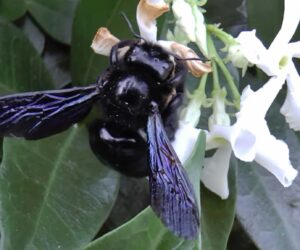
Picture shows Xylocopa violacea, undated. One of the insects that thrive in urbanised regions is the violet carpenter bee, a solitary pollinator which is often mistaken for a bumblebee due to its remarkable body length of up to 25 millimetres. (NewsX/Bee)
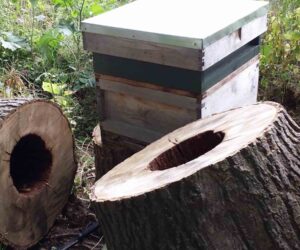
Picture shows tree nest and hive together, undated. Derek Mitchell from Leeds University investigated the clustering habit of the pollinators to find that it could be a distress action rather than a reaction to decreasing temperatures. (D. Mitchell, NewsX/Bee)
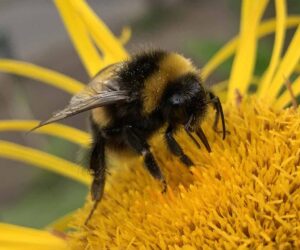
Picture shows a bumblebee, undated. Chemical substances have an even worse impact on the behaviour of bumblebees at high temperatures, according to studies at a renowned British institution. (Daniel Kenna/Imperial College London, NewsX/Bee)
Picture shows Prof Dr Randolf Menzel from the Free University of Berlin, Germany, undated. He has researched the western honeybee's behaviour for more than 50 years. (NewsX/Bee)