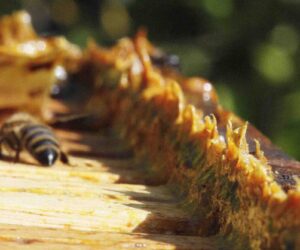
Picture shows propolis in a beehive, undated. Propolis is a resin that bees create which contains a mixture of bee saliva, beeswax and substances from plants. (NewsX/Bee)
Picture shows Antonio Recoba, undated. A photographer has raised more than USD 4,000 for her cancer-suffering dad who had to relocate his honey stall after being reprimanded by coldhearted town council busybodies. (GoFundMe/NewsX)
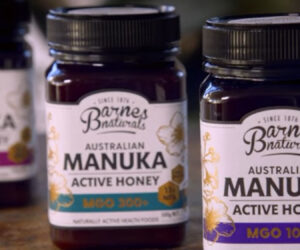
Illustrative image shows Manuka honey, undated. Manuka honey available in supermarkets should not be applied on wounds, food experts have warned. (NewsX/Bee)
Picture shows Penn State University, undated. Scientists from Pennsylvania State University (Penn State) determined that colonies at different apiaries in New York and Pennsylvania were worse affected by the Deformed Wing Virus (DWV) than honeybees from Arnot Forest near Ithaca, New York. (NewsX/Bee)
Illustrative image shows Manuka honey, undated. Manuka honey available in supermarkets should not be applied on wounds, food experts have warned. (NewsX/Bee)
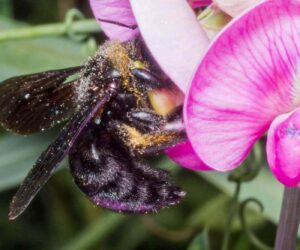
The venom of wild bees such as the violet carpenter bee (Xylocopa violacea), with its main component melittin, is less aggressive than that of honey bees, a team from the LOEWE Center TBG discovered, undated photo. In the future, it could be used against breast cancer cells, among other things. (Björn M. von Reumont, NewsX/Bee)